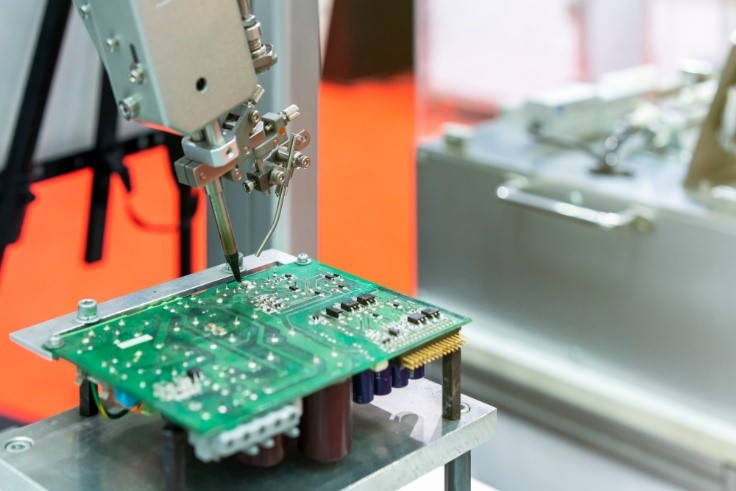
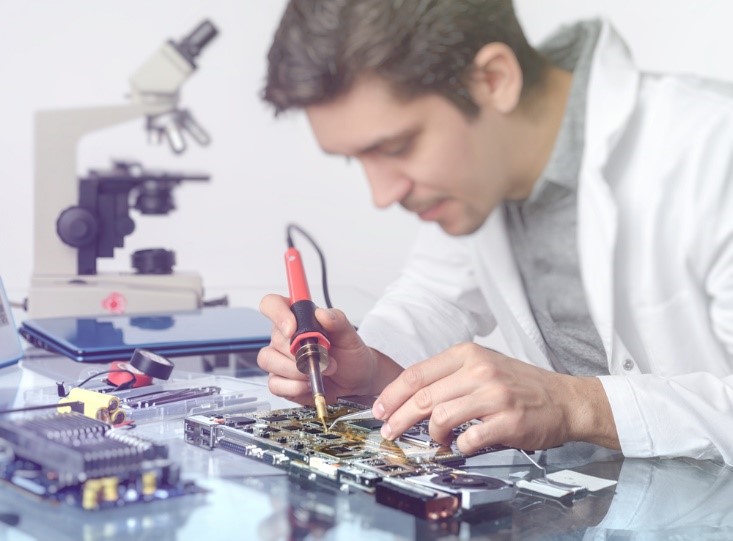
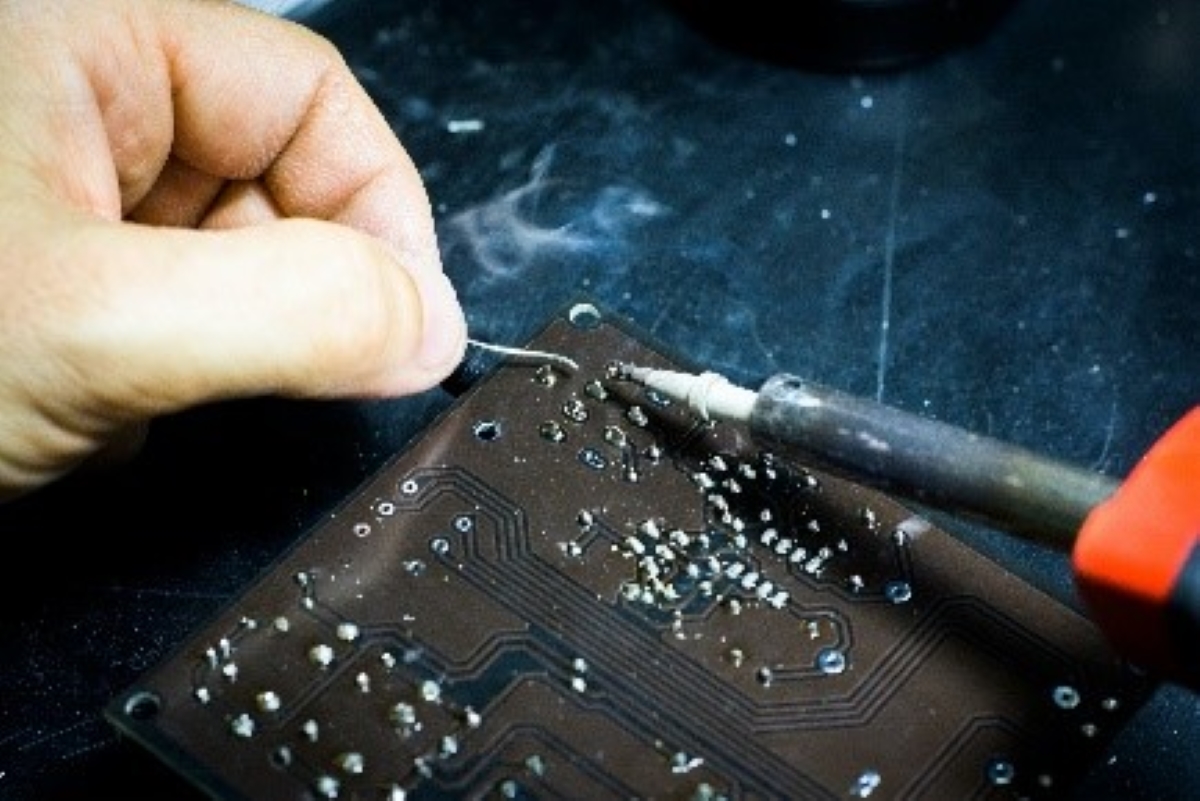
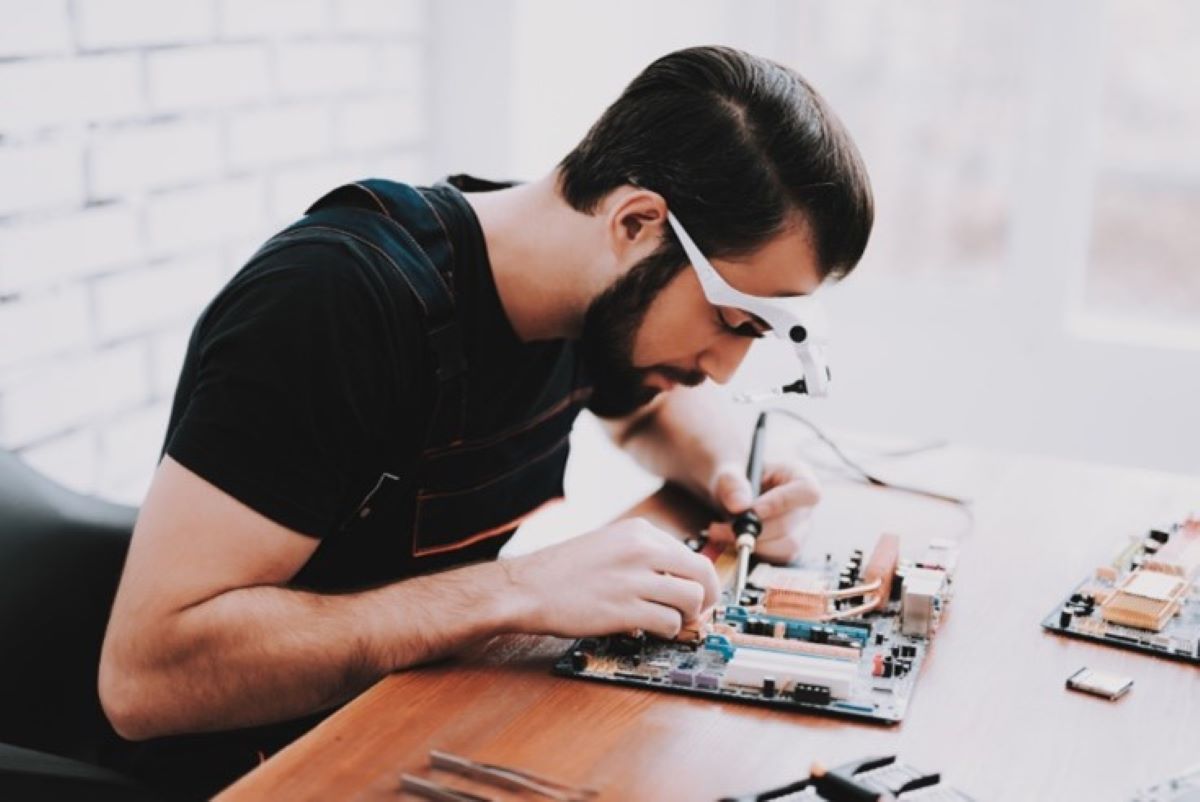
Electronics are at the heart of our daily lives, and the beating heart keeping our devices going is the printed circuit board, or PCB for short. Simply put, PCBs are intricately designed pathways created by metallic insertions that allow electricity to transfer smoothly between components of electronic devices, which is the driving force behind the operation and lifespan of these devices. Choosing the right PCB assembly manufacturer is key for the final product to look exactly how you expect, which is why we are offering five important aspects of PCB assembly services that you need to know before starting your project.
Back in March 2020, institutions for education and training took a major hit with student enrollment due to COVID-19. This caused a major deficit for some training centers in the industry that rely on students either attending class in-person or having the trainer teach on-site. An opportunity was presented to accommodate the current training environment and student’s education needs, while following COVID-19 safety and travel mandates. IPC created a way for the student to become IPC certified by utilizing an online/remote exam method.
The IPC-A-610 certification is a requirement throughout the medical, aerospace, and military manufacturing industry as a condition of employment, and those who obtain it put themselves at a crucial advantage to obtain or retain their position. This certification – otherwise known as Acceptability of Electronic Assemblies – is the most widely used standard published by the IPC, and it sets the standard for what is or is not acceptable during assembly of printed circuit boards. Read on to get to know the basics of IPC-A-610 certification with EEI Manufacturing.
Advances in technology have changed the way nearly every industry operates. Not only are the latest advances necessary to gain an edge in the marketplace, but they have also been revolutionized in the pandemic era to accommodate unprecedented circumstances. As a proven technology leader in key areas such as printed circuit boards and backplanes, EEI Manufacturing has first-hand insight into the trends that will shape advanced manufacturing in 2021. Read on to learn more about how our industry will continue to evolve this year.
The IPC Association has served the electronic manufacturing industry since the late 1950s. Through improving obstacles within the supply chain, formulating industry standards, and assisting with the industry’s advancement, IPC has opened doors to many ways people can advance in their careers. One of those opportunities is becoming IPC certified.
The goals of every learning method are the same, whether they be in-person or online. Even when done through a virtual space, training can still alter behavior through increased understanding or new ways of addressing a process. The learners are the same, the instructors are the same, and the outcomes are the same – the only thing that has changed is the delivery method. Online training classes may present unique challenges, but they can serve as excellent alternatives to traditional in-person settings especially after you learn these 5 habits.
Choosing the right printed circuit board assembly company to partner with may seem like a daunting task due to the variety of suitors and the significance of this decision relative to your product. By the time your project has reached the assembly phase, you have most likely dedicated lots of time and resources to it already. This crucial step can make or break the success of your product which is why it is so important to understand how to find the best PCB assembly company for your needs. Read on for our simple 6-step process to narrow down the field.
Do you or someone you know have an interest in becoming a Certified IPC Trainer? Trainers within the industry are in demand as the need for more assembly workers is on the rise. Trainers assist with the growth process with every new employee they encounter and continue to add value to those with experience. Here are some steps to take to become a trainer.
With origins dating back to the American Revolutionary War, military engineering services are now at the forefront of unprecedented advancements in technology and weaponry. Defense contractors provide our country with the necessary arms to deter conflict with other nations, often utilizing massive budgets and resources to engineer the most progressive technologies the world has ever seen. New technologies include artificial intelligence, robotics, directed energy, and more that are sure to hold significant implications for the future of international security. Continue reading to learn more about these disruptive technologies and how defense manufacturing is blazing a new trail into the future.
The J-STD-001 and IPC-A-610 certifications are both critical elements of mastering the best practices for soldering. Though the IPC-A-610, which we detailed in great length here, can be summarized as the standard for the final inspection of printed circuit board manufacturing, the J-STD-001 describes the underlying information about the production process. This individual level certification lists the stringent requirements for the manufacturing of electrical assemblies, including materials, methods, and verification criteria.