Manufacturing training courses provide employees with the skills necessary to operate intricate machinery safely and complete complex processes efficiently. Not only are these technical courses vital for safe practices and knowledge, but they are also key to earning and maintaining careers in the manufacturing industry. This is because IPC training is recognized the world over as the gold standard for assembler training. Continue reading as we go in-depth with 5 popular manufacturing training courses.
IPC provides a wide range of certifications for companies to benefit from. From solder certification to rework & repair, production staff have the necessary tools to succeed in their careers. IPC offers several certification levels for the available standards. In this article we will cover the two common levels, which are CIS and CIT.
As the aerospace and defense industry marches onward towards the future, the current focus seems to be transforming supply chains into dynamic and resilient networks. In our industry specifically, there are multiple tiers of suppliers all working in tandem to provide integral services and components. Not only has our market remained stable, but innovations and recent trends seem to indicate an exciting future as well. To get a glimpse into EEI’s role in trending defense manufacturing, continue to read to find insight from CEO Sue Englander.
The IPC-7711/7721 course deals with the topics & procedures of rework and repair. Within manufacturing, errors in production arise, and rework operators are needed to repair and troubleshoot any defects. In this blog we will discuss the five things you need to know about rework and repair.
Though it may be difficult to predict the trends that will define PCB manufacturing in the future, one thing we can be sure of is that change is inevitable. Advancements in other industries and technologies demand that printed board assembly evolves to keep up. By examining the trends that define the current landscape of printed circuit board production, we can also look forward to what will affect PCB assembly services for the immediate future. Read on as we discuss 5 recent advances that are innovating circuit card assembly!
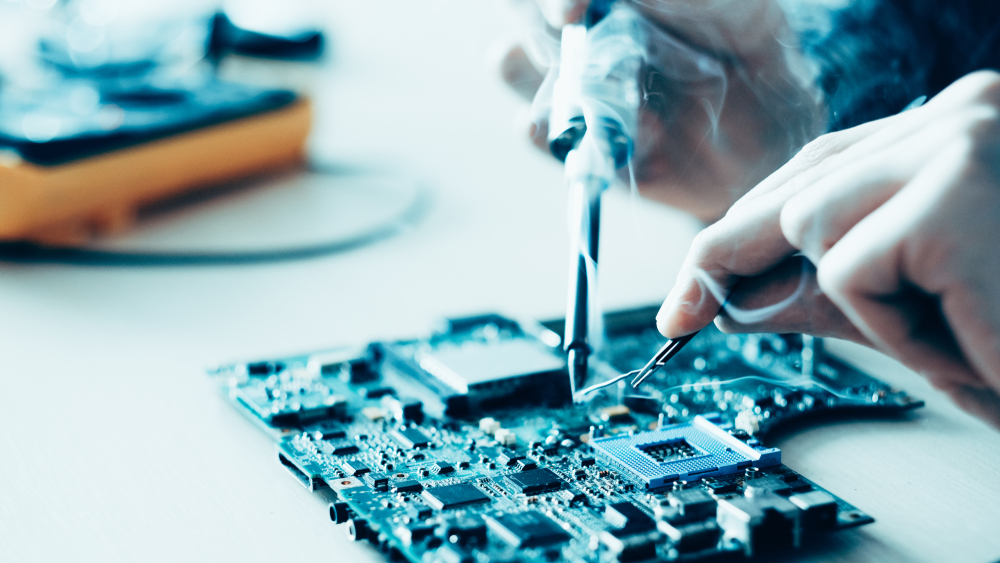
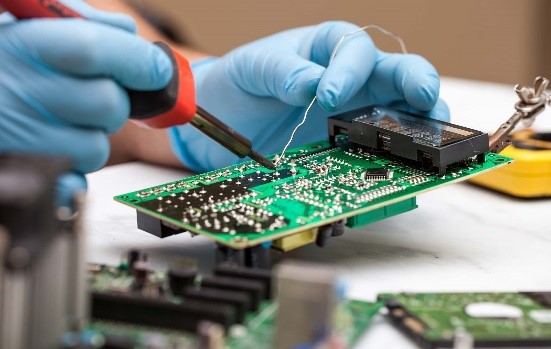
Soldering is one of the most vital skills necessary to take part in the world of PCB assembly services. By utilizing professional certification classes, a whole new realm of soldering training is opened up. Learning soldering is best accomplished by earning soldering certification through trustworthy IPC training classes, like those offered by EEI. However, before you begin your in-depth foray into solder training courses, consider reading through our 5 tips on learning this invaluable skill!
Soldering is described as the process of taking two objects and melting them together using solder in order to make a connection. Learning how to solder can be a challenge for a beginner, or for someone who is re-entering the industry. Today we will go over 5 best practices for soldering, and how you can apply it to enhance your skills.
The role of learning and development (L&D) has demonstrated immense growth well into 2021 due to unprecedented change outside of all our organizations. When it comes to technical courses, we have been forced to rethink how to effectively deliver certification classes to an eager workforce despite a pandemic. Now, as the needs of businesses continue to change and adapt to a modern landscape rife with uncertainty, employees must still be able to master the skills necessary for their trade. Keep reading to discover 5 trends of technical certification in 2021.
From first-time start-up companies to large manufacturers, plenty of organizations have run headfirst into the same problem. That is: after brainstorming a big idea for the latest and greatest product, what’s the best way to get it made? Between labor, raw materials, and the facility, the cost of high-end mass manufacturing can drain your pockets quickly. Overcome this obstacle by working with contract manufacturing companies! Curious to know more? Just read on – we explain below!
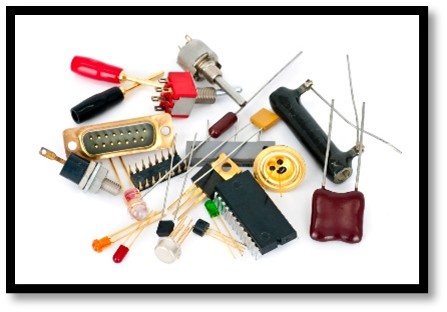
There are a multitude of components used in electronic manufacturing. From diodes to connectors and PGAs, each electronic component carries out a specific function used for a variety of purposes. Read on as we discuss the importance of component identification.