IPC certification plays a pivotal role in bringing quality control, consistency, and excellence to the soldering industry. In a highly competitive and ever-changing industry, the manufacturing workforce needs to be trained, educated, and certified through programs that have been designed to uphold the gold standard of soldering, such as IPC-A-610 certification classes. Efficient production is vital to the success of your company, and it starts with a staff that is hired and trained to be IPC certified. Below, we detail what exactly IPC certification means for your company.
Business is the lifeblood of the economy which drives our nation. In recent years, we have witnessed rapid statistical growth that shows women are carving out their own place in traditionally male-dominated industries. Now, women are founding and running businesses at an astonishing rate.
When working in manufacturing, it is crucial to know and practice important safety rules to ensure products are made to a high-quality standard. Once safety measure that is often overlooked is the importance of ESD control.
Solder bridging, excessive solder, cold joints, solder balling, burnt joints, and more – all of these are potential consequences of soldering mistakes. When solder joints are not assembled reliably, it can compromise the performance of the entire circuit board. Learning soldering with technical courses is one of the best ways to prevent assembly failures in the future, as well as establish yourself as a reputable assembler. Read on to discover 5 different advantages of learning assembler with IPC certification.
In 2020, the PWB manufacturing industry was valued at $58.91 billion in U.S. dollars. Over the next five years, it is projected to reach a projected value of $75.72 billion by 2026. The rapid growth that we’ve experienced in the PWB manufacturing industry is primarily owed to the continuous development of innovative electronic devices and unprecedented demand for printed board assembly in all electrical equipment. Below, we offer greater insight into the current state of the industry while looking forward to a successful future.
Since being founded in 1993, Englander Enterprises Inc., d.b.a. EEI Manufacturing Services (EEI) has always embraced a culture of The Best Parts. The People. This emphasizes Eel's business philosophy that relationships are key, and people are primary. Our company has always been guided by the principles of credibility, quality, and value to all our colleagues; customers, employees, suppliers, and community.
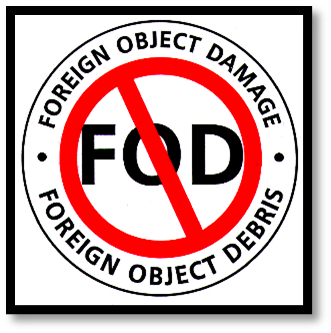
Last month we covered the importance to ESD Control. Now, we will take a look at FOD prevention as it relates to the production area, and ways to prevent it.
While students cannot acquire hands-on learning in a remote setting, they can still effectively acquire knowledge about specifications and regulations via online training. As such, online manufacturing training can still apply to certifications such as the IPC-A-610 and J-STD-001. Online training services can either be standard training or custom training based on the training requirements specific to your needs. For example, students from multiple locations can be trained all at the same time, or individuals can learn and be tested on material at their own leisure.
Failure to be an ITAR registered company can result in significant delays in obtaining important licenses, as well as make it impossible to rely on ITAR exemptions. If you manage ITAR materials, it is your responsibility to assure that everyone in your supply chain has the proper registrations and follows ITAR procedures. Learn more about ITAR registered companies by reading below.
Originally found in NASA documents, the Space Addendum was created to solve the aerospace and defense community’s needs for stringent quality and environmental controls. In this blog we will cover two of IPC’s Space Addendums- J-STD-001 and IPC/WHMA-A-620.