In recent years, we have witnessed an unprecedented amount of individuals seeking to either enter into or ascend in the workforce by acquiring short-term education at an affordable cost. Micro credentials and industry certifications have gained tremendous momentum for this very reason. Understanding why technical learning centers are continuing to gain momentum starts with explaining micro credentials and how they apply to individuals pursuing IPC certification. Just read on to learn more.
Advanced robotics and nanotechnologies brought about a revolution in the aerospace industry. Governments and businesses from across the globe ventured into outer space to explore a new frontier. Now, we’re witnessing a transition as private sector partners enter into the industry and pave the way for an independent aerospace market. This is because privatization of space and aerospace companies has the possibility to create a win-win scenario for all involved parties. Below, we clarify more about the privatization that aerospace companies are undergoing.
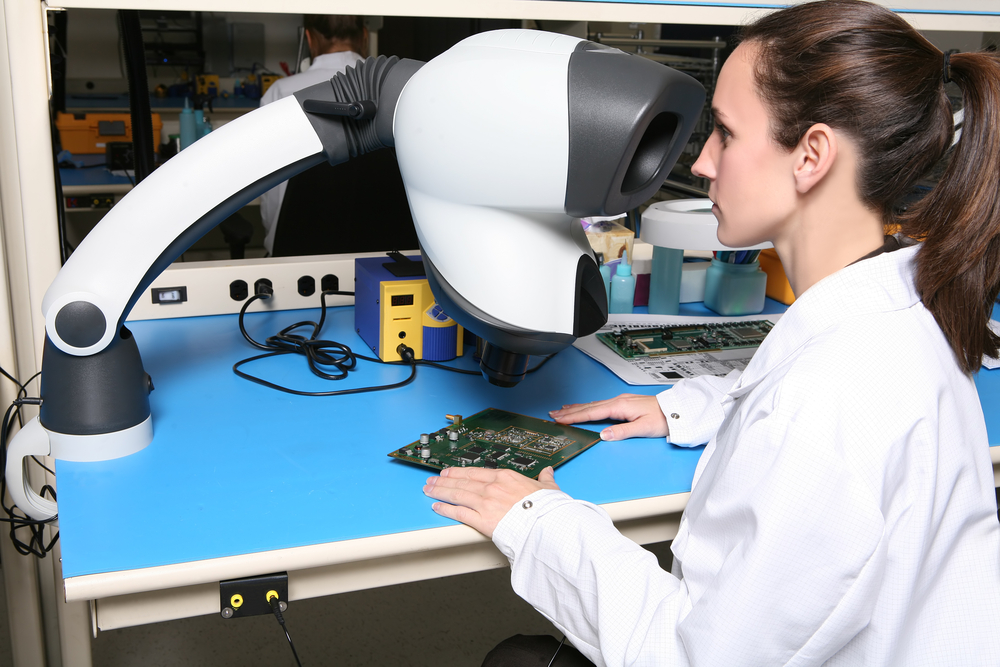
Within the electronic manufacturing industry, most companies will require their employees to be IPC certified in one or more disciplines depending on their daily tasks. From soldering to rework & repair and inspection, IPC offers training courses to help enhance the skillsets of those in the workforce. Let’s look at 4 things to consider before enrolling in IPC certification classes.
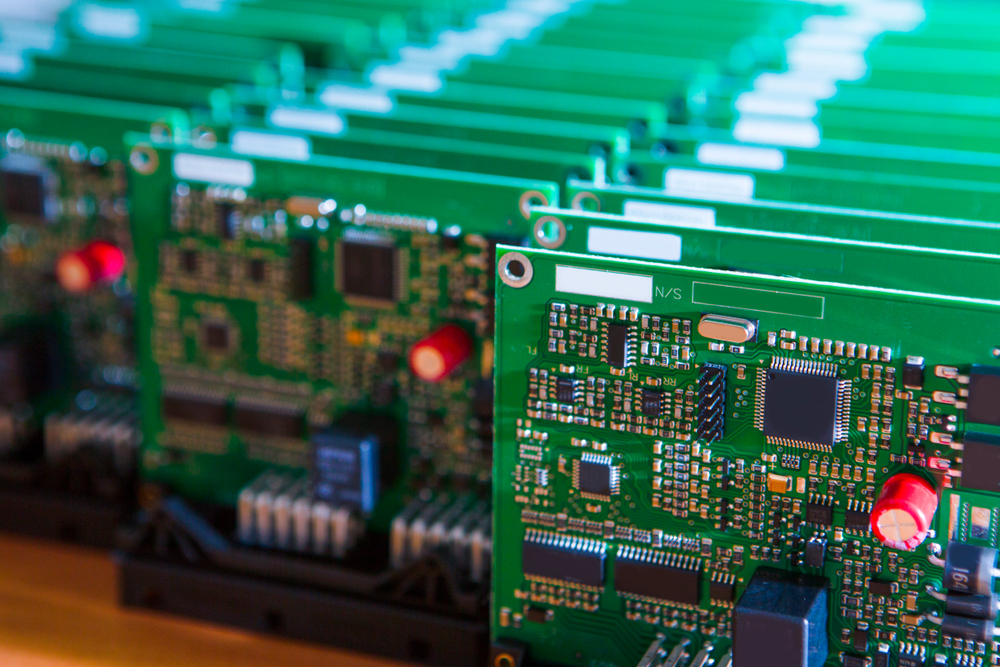
The success of PCB manufacturing hinges on the printed circuit board assembly company handling the project. After reaching the assembly and production phase of your project, you want to make sure that your PCBs are safe in the trusted hands of reliable PCB assembly companies. But, if you are outsourcing your printed circuit board assembly, how can you feel confident in your choice of PCB assembly manufacturers? Below, we share 5 tips to point you in the right direction.
Prototyping is pivotal to PCB assembly services because it can pinpoint any design errors prior to large-scale production. By targeting and eliminating any flaws in your printed board assembly early on, you are sure to save yourself one very large headache and a potentially failed project. Continue reading to discover what makes prototyping so important for PCB manufacturing.
Just as PCB manufacturing is innovating advancements in electronics assembly, so too are PCB assembly services undergoing their own transformation. An increase in demand across a wide breadth of industries is driving PCB manufacturing to find new and different ways to not only operate more efficiently but also create unprecedented circuit boards.
In addition to defense contractors and aerospace companies, we are seeing automotive manufacturers and telecommunication brands – amongst others – also innovate PCB assembly services. Continue reading to discover 3 new trends that we anticipate defining PCB manufacturing in the near future.
Following a carefully laid out strategy can mean the difference between a quick, successful printed circuit board assembly project and one that consumes an excess of time and finance. By planning ahead and considering all facets of the project, it is possible to optimize printed circuit board production into a streamlined process. Not only will this make a happier client, but it will also yield a much higher quality of product. Read on to discover how to optimize your printed circuit board production process.
IPC is a global association that assists the electronic industry by providing adequate training for OEMs, EMS, PCB manufacturers, and wire harness manufacturers. Generally, we learn about the many IPC certifications that are offered, but rarely is it mentioned about the amazing career possibilities an IPC certification can provide. Read on as we take a look at industry-related careers and which IPC certification is beneficial.
Unlike some other industries, circuit card assembly in aerospace applications must meet strict standards in order to endure extreme conditions. Aerospace devices are often exposed to radical changes in temperature, harmful chemicals, and intense vibrations. All of these things can threaten lesser printed circuit boards. That’s why EEI Manufacturing and other electronics manufacturers specially design PCBs that can survive in the aerospace industry.
According to the National Association of Manufacturers, approximately 2.1 million manufacturing jobs may be left unfilled by the year 2030. This could translate to a total of $1 trillion in lost revenue. Manufacturing employers must offer training and upskilling opportunities to their staff. The most practical way to do this is to send them to technical certification courses.