When you choose to work in a career that has flight and life critical standards, you can expect the workforce credentials to include a high level of technical training, skilled qualifications, and experience within the workplace competencies. Along with technical knowledge one must develop the necessary skill sets to perform daily tasks with excellence. One way to gain the high-value skills expected in the electronics industry is to have an IPC certification.
The IPC – formerly known as the Institute of Printed Circuits – is a trade association whose goal is to standardize the assembly and production requirements of electronic equipment by means of technical training and certification classes. This association works with many companies throughout the electronics manufacturing industry to set the standard for consistency and excellency and support its continued growth. In other words, getting your IPC soldering certification can open many doors for you to begin your burgeoning career in this industry. Read on to learn more about how to start your career with a soldering certification from EEI Manufacturing Services.
The most used quality management standard in the aerospace and defense industry is the AS9100 certification. Certified companies implement a quality management system that adheres to the same principles behind the requirements of the international AS9100 manufacturing standard that also improve the quality of their products and services. By managing, controlling, and auditing their own processes, while also having an outside certification body verifying the compliance of their quality management system, clients of AS9100 certified companies can find peace of mind in the knowledge that everything is well in hand. Continue reading to learn more about the benefits of working with an AS9100 certified manufacturer.
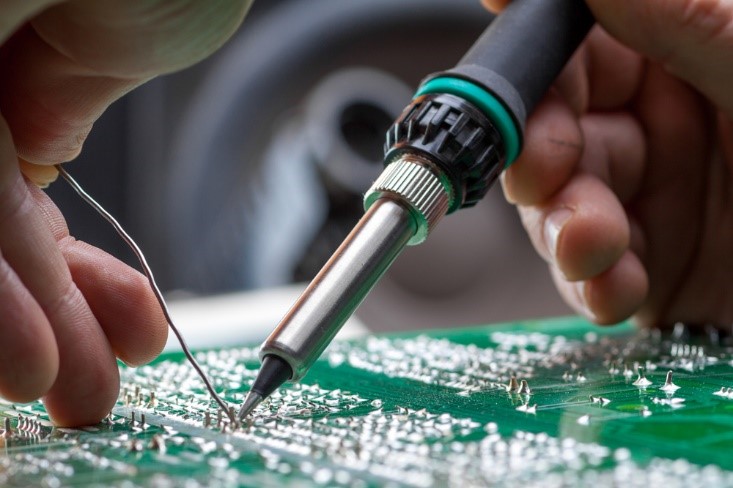
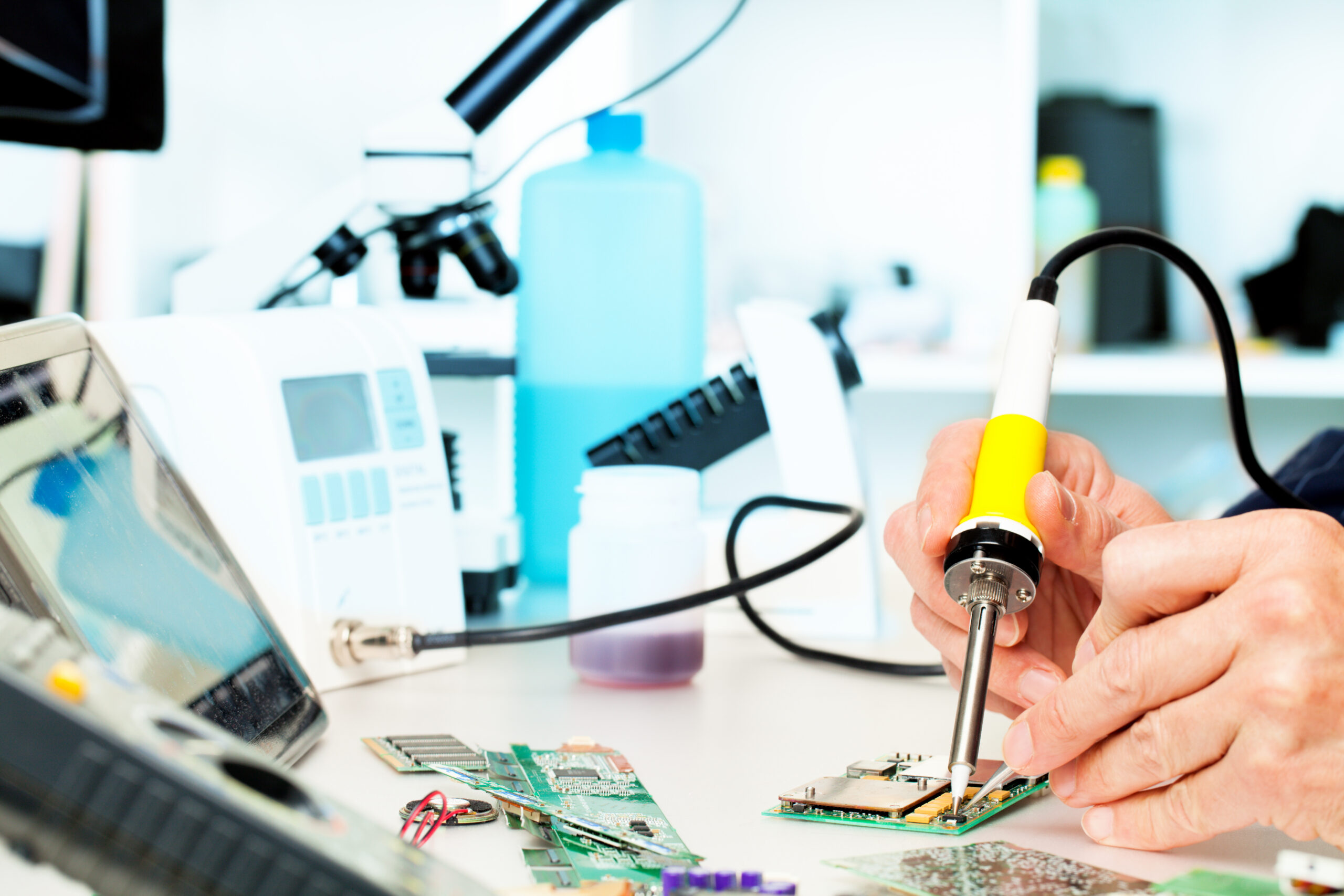
The term solder is defined as uniting or making whole by the process of soldering. Soldering is a process of joining two or more metal items by melting, followed by flowing a filler metal into the joint. During IPC J-STD-001, students learn common solder practices using the tools available. Two of the most common types of solder are lead and lead-free.
The concept of traditional education has changed radically within the short span of the last year due to safety regulations and distancing protocols necessitated by COVID-19. As such, many technical certifications – including soldering training – have started to transition from the manufacturing floor to online classrooms. Online certifications are now a sensible choice for people looking to gain a leg up in the manufacturing and assembling industry without compromising health, and there are a few other benefits to boot. Read on for our 5 reasons why online learning is the future of technical certifications.